Exploring Sensor Structure, Installation, and Application in Pneumatic Equipment
Posted by Feishengya lis
Filed in Arts & Culture 2 views
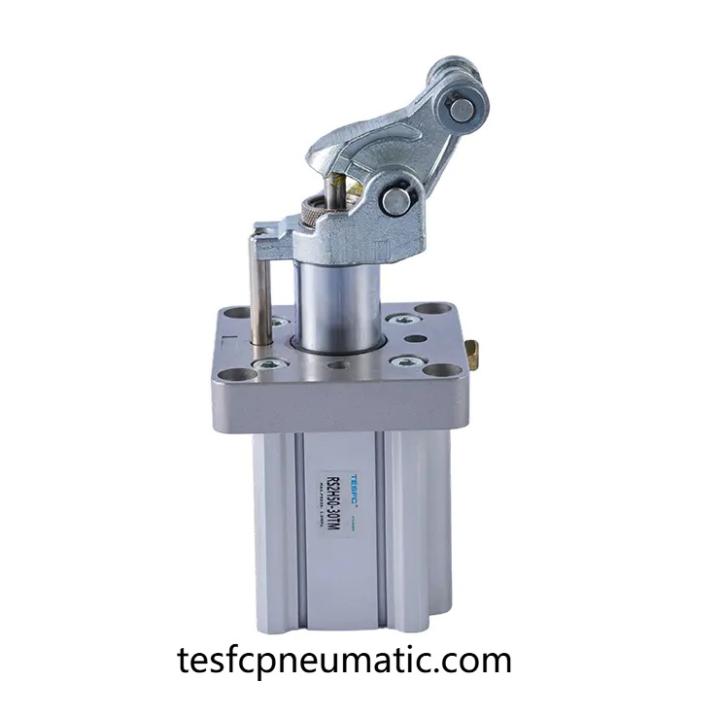
In a pneumatic automation system, position feedback helps the control system understand whether an actuator has reached a required point in its movement. As a Magnetic Switch Manufacturer, Zhejiang Feishengya Pneumatic Components Co., Ltd. develops sensing components designed around pneumatic cylinder applications, where magnetic detection can provide position feedback without direct mechanical contact. The switch works with the magnetic field associated with a piston, allowing the control system to receive a signal as the piston approaches the sensing position.
Material selection is important because a sensing component must remain stable while being mounted on equipment that may experience vibration, movement, dust, or other industrial conditions. The housing needs to protect internal sensing elements, while the cable and connection structure should support dependable signal transmission. The mounting portion also needs to work effectively with the cylinder body or mounting accessory. A well-matched combination of housing, sensing element, insulation, cable, and mounting structure can contribute to a more dependable installation.
When selecting a magnetic switch, buyers should begin with the pneumatic cylinder rather than choosing a sensor independently. Different cylinder constructions can use different mounting arrangements, so the available sensor groove, bracket position, body shape, and installation space should be considered. The control system is another important factor because the switch needs to communicate correctly with the equipment receiving its signal. Feishengya's product range includes reed-type and electronic magnetic switch solutions for different pneumatic cylinder applications.
The sensing principle is one of the main functional differences to consider. Reed-based designs use a magnetic field to influence an internal switching element, while electronic sensing designs use semiconductor-based detection. Proximity-style magnetic sensing can also be integrated into pneumatic systems where non-contact piston detection is required. These approaches allow engineers to select a sensing method that matches the control architecture, cylinder design, and operating environment rather than relying on a single sensor format for every application.
Installation technology also affects practical performance. A magnetic switch may be positioned through a cylinder groove, mounting bracket, clamp, or another suitable fixing method. Correct positioning is important because the sensing element needs to interact with the piston magnet at the intended point of travel. A secure mounting method can help prevent unwanted movement caused by machine vibration or repeated actuator cycles. Feishengya also provides magnetic switch mounting brackets designed to support different cylinder installation arrangements.
From the user's perspective, installation convenience can influence maintenance efficiency. External sensing means that technicians can generally inspect, adjust, or replace the switch without opening the pneumatic cylinder itself. This can simplify troubleshooting when a machine stops receiving expected position feedback. Clear cable routing is also useful because poorly arranged wiring can become exposed to unnecessary bending, friction, or interference from nearby machine components.
Signal connection is another part of the overall user experience. The switch should be considered together with the PLC, controller, relay circuit, or other receiving device. Output selection and wiring arrangement need to correspond with the electrical architecture of the machine. A suitable connection can make troubleshooting easier because technicians can trace the signal path from the cylinder sensor to the control system without introducing unnecessary conversion or adaptation.
Magnetic switches also contribute to the way pneumatic equipment is designed. Because sensing takes place outside the cylinder and does not require a mechanical contact point with the moving piston, the sensor can be integrated into compact automated equipment without adding a large mechanical detection structure. This is useful for packaging machines, assembly equipment, material handling systems, robotic fixtures, and other automated applications where pneumatic cylinders need position confirmation.
The visual and structural design of the sensor should not be overlooked. A compact body can help keep the installation neat around the actuator, while a practical mounting structure can make the sensor easier to access during maintenance. Cable orientation, connector arrangement, and bracket design can also influence how naturally the component fits into the surrounding machine structure. Good industrial design therefore involves more than appearance; it considers accessibility, protection, installation space, and compatibility with neighboring components.
For Zhejiang Feishengya Pneumatic Components Co., Ltd., magnetic switches form part of a broader pneumatic component portfolio that includes cylinders, solenoid valves, fittings, and related accessories. This product relationship allows magnetic sensing to be considered alongside the actuator and control components that make up the pneumatic system. The company's manufacturing and technical capabilities cover pneumatic component development, production, testing, and technical services, supporting applications in industrial automation and machinery.
For engineers and buyers, evaluating a magnetic sensor as part of the complete pneumatic system can make product selection more practical. Cylinder construction, sensing method, mounting arrangement, signal compatibility, wiring, maintenance access, and surrounding machine design all contribute to the final application experience. For more information about Zhejiang Feishengya Pneumatic Components Co., Ltd. and its pneumatic sensing solutions, visit https://www.tesfcpneumatic.com/.